 How-to
How to Lower High Electricity Bills: 7 Steps
Table of Contents
- Diagnose Why Your Electricity Bill Is High
- Conduct a Home Energy Audit to Identify Problem Areas
- Optimize Thermostat Settings to Save Energy
- Reduce HVAC Energy Costs with Maintenance and Upgrades
- Switch to LED Lighting and Reduce Phantom Power
- Run Appliances Efficiently and Shift Usage to Off-Peak Hours
- How to Lower Electricity Bills When You Rent or Can't Upgrade
- Frequently Asked Questions
Last Updated: October 11, 2026
Diagnose Why Your Electricity Bill Is High
The first step in how to lower high electricity bills is understanding what's driving the increase. Many homeowners see a spike in their electricity costs without knowing where the extra usage comes from. Reading your bill and tracking usage patterns reveals whether the problem is seasonal, equipment-related, or behavioral.
Read Your Electricity Bill and Calculate Usage
Your electricity bill contains crucial information about your consumption. Look for the kilowatt-hours (kWh) used during the billing period, usually found on the first page. Multiply your kWh by your utility rate to understand your total charges.
Check if your utility offers time-of-use rates. These plans charge different prices during peak hours (typically 4 PM to 9 PM) versus off-peak hours. Understanding this structure helps you shift usage to cheaper times.
Compare Your Usage to Previous Months
Pull your last 12 months of bills and chart the kWh usage. A sharp spike in one month signals a specific problem. Seasonal increases in summer or winter are normal due to heating and cooling demands.
Compare your usage to the same month last year. A 20% increase warrants investigation. Document the month when the increase started to narrow down the cause.
Conduct a Home Energy Audit to Identify Problem Areas
An energy audit systematically identifies where your home loses energy and money. Start by checking for air leaks around windows, doors, and foundation cracks. These gaps let conditioned air escape, forcing your HVAC system to work harder.
Examine your home insulation. Insufficient insulation in the attic, walls, or basement allows heat to transfer in or out. Upgrading insulation in the attic is often the highest-impact improvement for reducing electricity costs.
Optimize Thermostat Settings to Save Energy
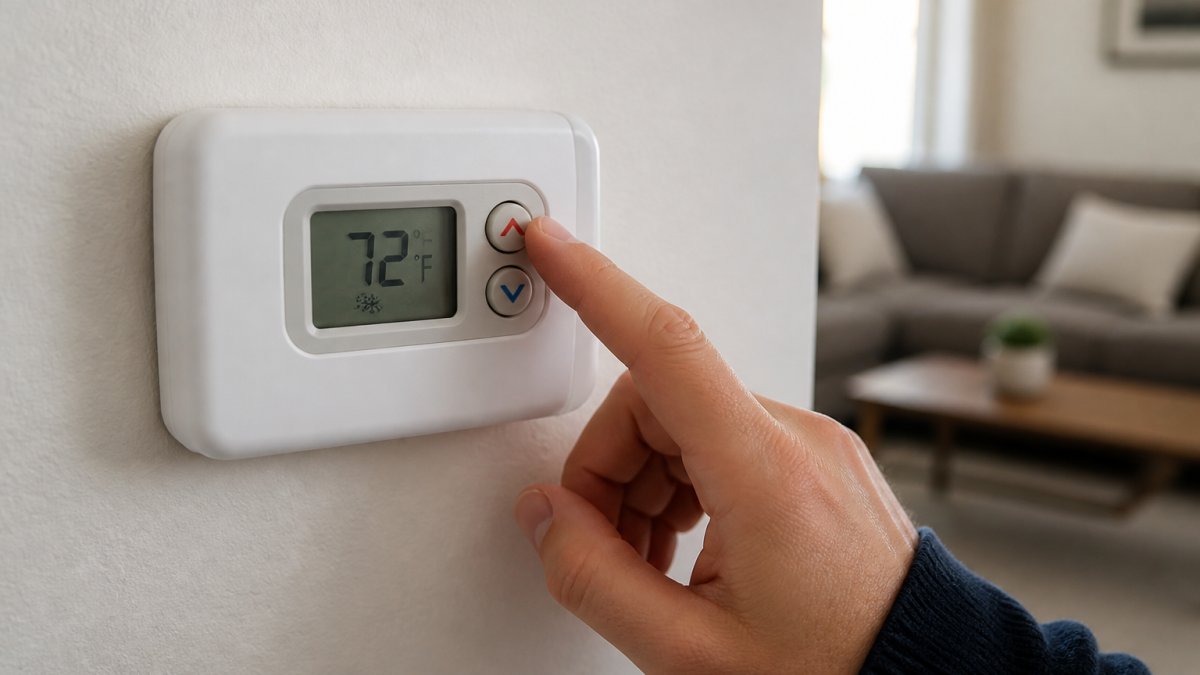
Your thermostat is one of the easiest levers for how to lower high electricity bills. Small adjustments deliver measurable savings without sacrificing comfort. Lowering your heating setpoint by 7-10 degrees for 8 hours per day saves roughly 10% on heating costs.
Use Programmable and Smart Thermostats
Programmable thermostats automate temperature changes based on your schedule. Set lower temperatures when you're away or sleeping, then raise them when you return or wake. Smart thermostats learn your patterns and adjust automatically.
Smart thermostats integrate with your HVAC system to optimize efficiency. They prevent unnecessary heating or cooling cycles and alert you to maintenance issues. The upfront cost typically pays for itself within 1-2 years through energy savings.
Recommended Temperature Ranges by Season
Winter heating works best at 68-70 degrees during occupied hours. Lower the setting to 62-65 degrees at night or when away. Summer cooling should target 76-78 degrees during occupied hours. Raise it to 80-82 degrees when away or sleeping. These ranges balance comfort with cost savings.
Reduce HVAC Energy Costs with Maintenance and Upgrades
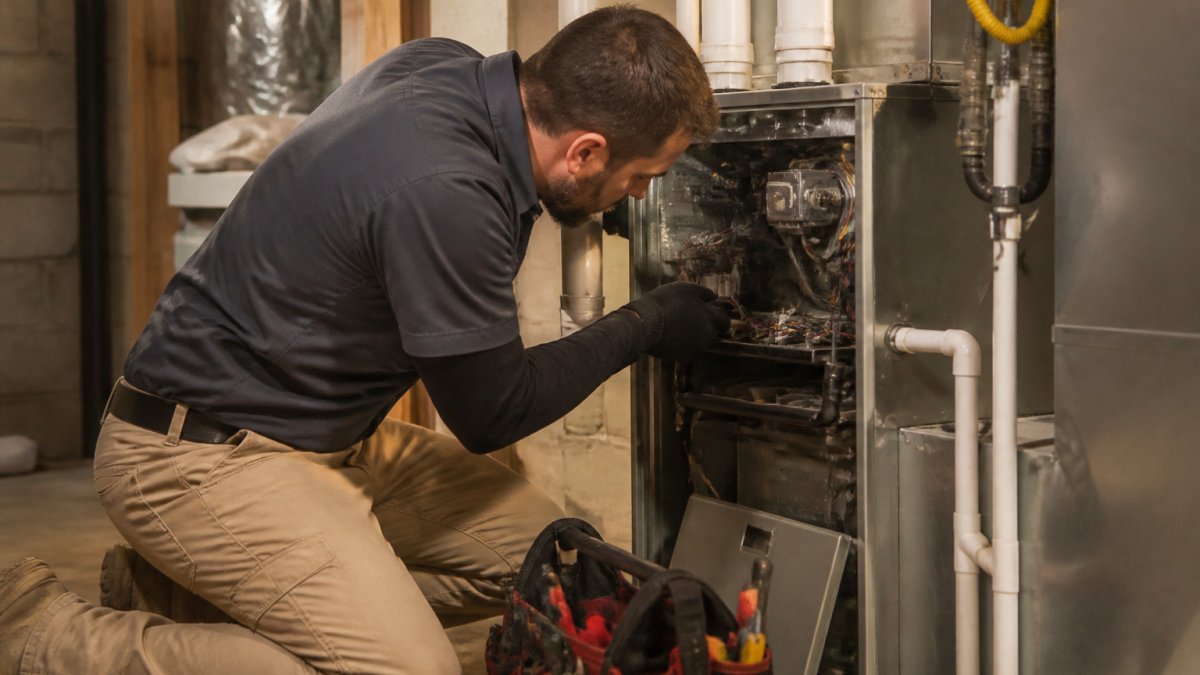
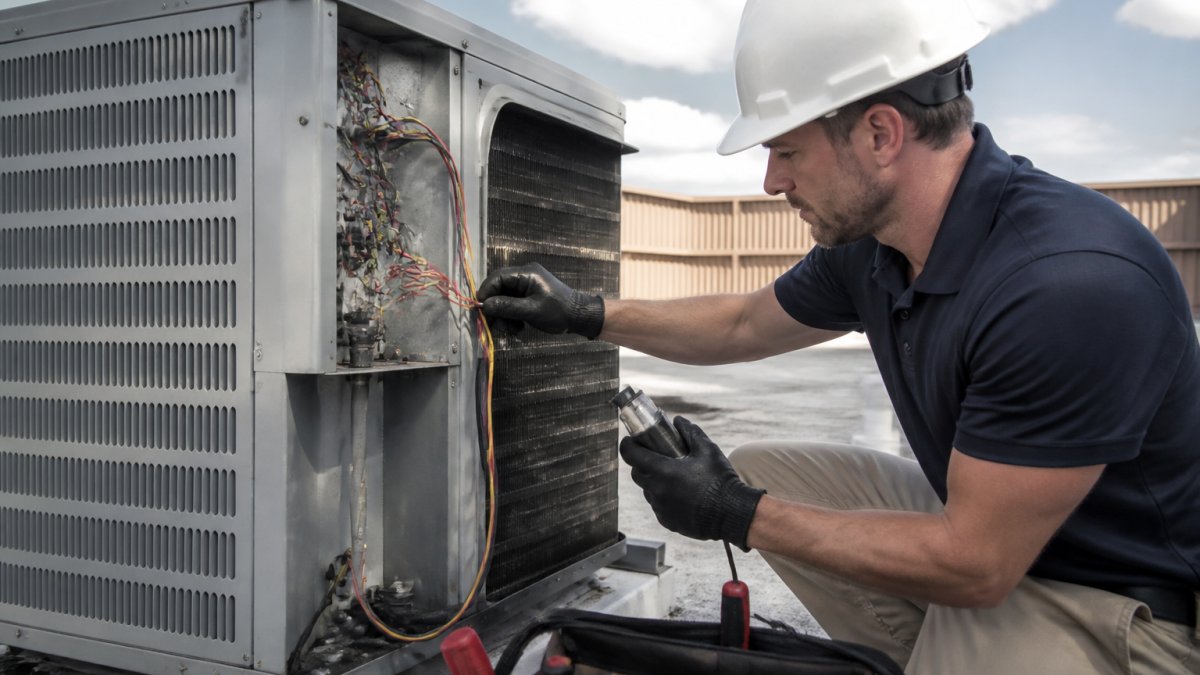
Your HVAC system is the largest energy consumer in most homes. Proper maintenance keeps it running efficiently. Dirty filters, refrigerant leaks, and worn components force the system to work harder, consuming more electricity. Regular maintenance catches these issues before they escalate into expensive repairs or system failures.
Schedule Regular HVAC Maintenance
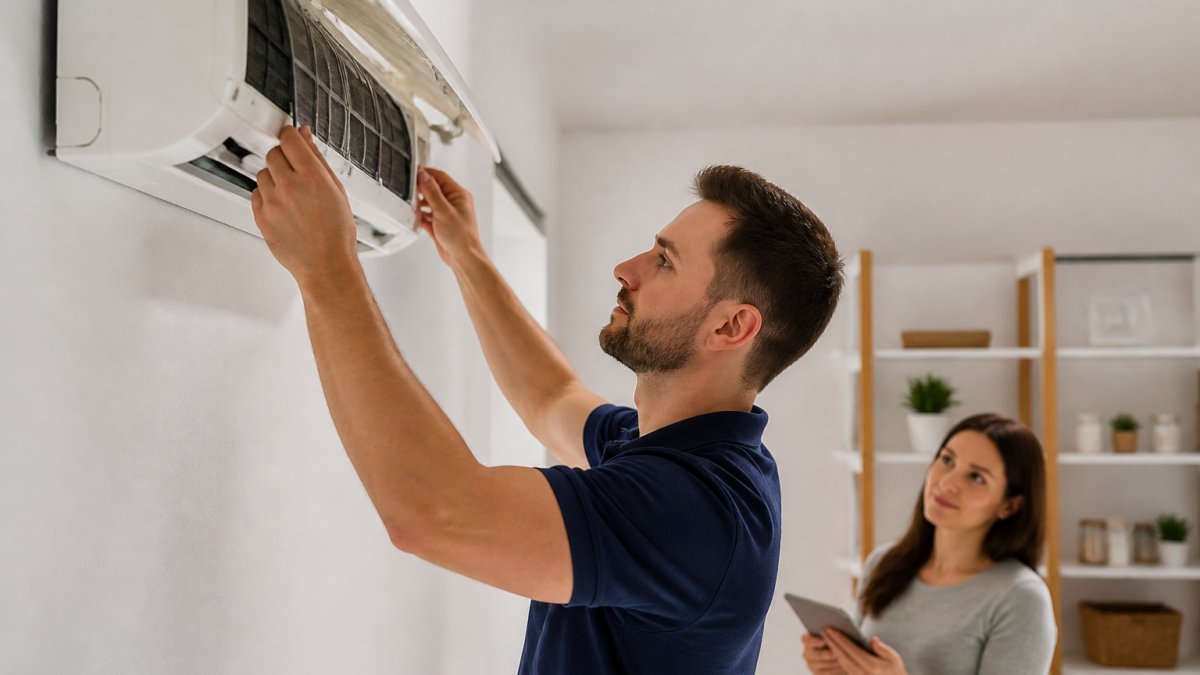
Have your HVAC system serviced twice yearly, once before heating season and once before cooling season. Technicians clean components, check refrigerant levels, and replace filters.
Older systems, especially those over 15 years old, lose efficiency rapidly. If your system requires frequent repairs or your energy bills keep climbing despite maintenance, replacement with a high-efficiency model may be the best long-term investment.
Seal Air Leaks and Improve Home Insulation
Air leaks around ductwork, windows, and doors waste conditioned air. Sealing ducts reduces losses by 15-20%. Weatherstripping doors and caulking window frames prevents air infiltration. These low-cost fixes deliver quick returns.
Improving insulation slows heat transfer through your building envelope. Attic insulation is the priority in most climates. Basement and wall insulation also matter, especially in cold regions. Higher insulation values mean your HVAC system works less to maintain comfort.
Switch to LED Lighting and Reduce Phantom Power
LED bulbs use 75% less energy than incandescent bulbs and last 25-50 times longer. Switching all household lighting to LED typically saves $100-200 annually on electricity bills.
Phantom power, energy consumed by devices in standby mode, drains money continuously. Chargers, coffee makers, printers, and entertainment systems draw power even when off. These devices account for 5-10% of household electricity use.
Unplug Electronics and Eliminate Standby Power
Unplug phone chargers, laptop chargers, and other adapters when not in use. Use power strips for entertainment systems and office equipment. Turn off the power strip when devices are idle.
Identify which devices consume the most standby power. Older electronics tend to draw more power in standby than newer ones. Replacing old devices with ENERGY STAR certified models reduces consumption further.
Run Appliances Efficiently and Shift Usage to Off-Peak Hours
How you operate major appliances affects your electricity bill significantly. Run dishwashers and washing machines with full loads only. Partial loads waste water and energy per item cleaned.
Refrigerators and freezers run continuously, so efficiency matters. Keep coils clean and ensure seals are tight. Avoid opening doors frequently or leaving them open. Set refrigerator temperature to 37-40°F and freezer to 0°F.
Use Time-of-Use Rates to Your Advantage
If your utility offers time-of-use rates, shift high-energy tasks to off-peak hours. Run dishwashers, laundry, and pool pumps during cheaper periods. Many utilities charge 30-50% less during off-peak hours.
Check your utility's rate schedule to identify peak and off-peak windows. Program your appliances to run during off-peak times when available. This strategy alone can save 10-15% on electricity costs if you have significant flexible loads.
| Strategy | Time to Implement | Expected Savings | Difficulty |
|---|---|---|---|
| Thermostat adjustment | 5 minutes | 10-15% | Very easy |
| Seal air leaks | 1-2 hours | 5-10% | Easy |
| Switch to LED lighting | 1-2 hours | 10-15% | Easy |
| Unplug phantom devices | 30 minutes | 5-10% | Very easy |
| HVAC maintenance | Professional service | 10-15% | Easy to arrange |
| Shift appliance usage | Ongoing habit | 10-15% | Moderate |
How to Lower Electricity Bills When You Rent or Can't Upgrade
Renters and homeowners unable to make permanent upgrades face real constraints, but the majority of electricity waste comes from behavior and appliance use, not just building envelope or HVAC equipment. You can still achieve 15-25% savings through no-cost and low-cost actions that require no landlord permission.
Prioritized Actions for Renters (No Landlord Permission Needed)
No-cost actions (start here):
- Adjust thermostat settings: Lower heating setpoint by 7-10°F during sleep and away hours; raise cooling setpoint by 7-10°F in summer. This alone saves 10-15% on HVAC costs and requires no permission. If your lease includes utilities, this is your single highest-impact action.
- Unplug phantom devices: Chargers, coffee makers, printers, and entertainment systems draw 5-10% of household electricity in standby mode. Unplugging them costs nothing and saves $5-15 per month on average.
- Run appliances efficiently: Wash clothes in cold water (saves 80-90% of laundry energy), run dishwashers and washing machines only with full loads, air-dry dishes, and avoid the heat-dry cycle. These habits save $10-20 monthly.
Low-cost, portable actions (under $100):
- Switch to LED bulbs in portable lamps: You can take LED bulbs with you when you move. Replacing incandescent bulbs in lamps you control saves 10-15% of lighting energy. Cost: $20-40 for a full set.
- Use power strips for entertainment and office equipment: A smart power strip ($20-40) automatically cuts power to devices in standby mode. This eliminates phantom drain without unplugging individual devices.
- Install weatherstripping on your bedroom or office door: Temporary adhesive weatherstripping ($10-20) reduces air leaks around doors you control. This is especially effective if you heat or cool only one room.
Actions Requiring Landlord Permission (Request in Writing)
Many landlords approve low-cost improvements that reduce tenant complaints and property damage. Request permission in writing and explain the benefit to the property.
- Weatherstripping and caulk around windows and doors: Cost to landlord: $50-150. Benefit: Reduced HVAC strain, fewer drafts, fewer tenant complaints. Most landlords approve this.
- HVAC filter replacement and basic maintenance: Cost: $20-50 per service. Benefit: System runs more efficiently, fewer emergency repairs. Offer to handle filter changes yourself if the landlord provides filters.
- Thermostat upgrade to a programmable model: Cost: $50-150 installed. Benefit: Automated efficiency, reduced energy use. Some landlords will split the cost or deduct it from rent.
In your request, cite the expected savings (e.g., "Weatherstripping typically saves 5-10% on heating costs") and offer to document the improvement with photos. Some landlords will cover costs; others may allow you to pay and deduct from rent or receive a rent reduction.
Realistic Savings Without Upgrades
Renters who implement all no-cost and low-cost actions typically see 15-25% reductions in electricity bills. This assumes:
- Your lease includes utilities or you pay electricity directly.
- You have control over thermostat settings (not locked by landlord or building management).
- You can unplug devices and adjust appliance use without restrictions.
If your lease does not include utilities and your landlord controls the thermostat, your savings potential drops to 5-10% (mainly from unplugging devices and efficient appliance use). In this case, focus on requesting landlord permission for the low-cost improvements listed above.
Safety and Scam Awareness
When using portable heaters or other temporary upgrades, follow these safety guidelines:
- Space heaters: Keep at least 3 feet away from flammable materials (curtains, bedding, furniture). Never leave running unattended. Use only models with automatic shut-off if tipped over. Do not use in bathrooms or damp areas.
- Power strips: Use only UL-listed models rated for your devices' total wattage. Do not daisy-chain power strips or overload them.
- Verify landlord approval: Get written permission before making any modifications, even temporary ones. Unauthorized changes can result in lease violations or loss of your security deposit.
- Beware of energy-saving scams: If a contractor offers to "optimize" your rental unit's energy use or promises savings that seem too high, verify their credentials with your utility or the Better Business Bureau. Legitimate energy audits are often free through utility programs; paid audits should come from established, licensed companies.
Frequently Asked Questions
What typically causes a high electricity bill?
High electricity bills usually stem from HVAC system inefficiency, older appliances running constantly, air leaks in your home's building envelope, poor thermostat settings, and excessive standby power from plugged-in devices. Heating and cooling account for roughly 40-50% of household energy consumption, so HVAC is often the biggest culprit. A home energy audit can pinpoint which systems or appliances are driving your costs.
How can I reduce HVAC energy costs without replacing my system?
Lower HVAC energy costs by scheduling annual maintenance to clean filters and check refrigerant levels, sealing air leaks around windows and doors with weatherstripping, improving insulation in your attic and basement, and adjusting your thermostat 7-10 degrees lower in winter and higher in summer when away. A well-maintained furnace or air conditioner runs 15-20% more efficiently than a neglected one, and these steps avoid the expense of a full system replacement.
Will adjusting my thermostat really lower my electricity bill?
Yes. Adjusting your thermostat by 7-10 degrees for 8 hours per day can reduce your annual heating and cooling costs by 10-15%. Programmable thermostats automate this, running your HVAC system only when needed. Off-peak hours matter too: if your utility provider offers time-of-use rates, shifting high-energy tasks like laundry to evening or early morning can cut your bill further.
What should I do if my electricity bill suddenly increased and I can't find the cause?
Start by comparing your kilowatt-hours used this month to the same month last year on your electricity bill. Check whether your utility rates changed or if you're on a new billing period. Then inspect your HVAC system for dirty filters or refrigerant leaks, look for running appliances you forgot about, and scan for new phantom power drains. If the spike persists, request a home energy audit from a professional to identify hidden inefficiencies in your building envelope or equipment.