 How-to
Is Emergency Furnace Repair Worth Calling Pros For?
Last Updated: October 28, 2026
Quick Summary
Emergency furnace repair is worth calling a pro for when the furnace will not ignite, blows cold air, makes loud noises, or when you smell gas or suspect carbon monoxide. Leave the home first if there is a gas smell, then call for help from outside.
- Call the same day if the furnace will not ignite or shuts off within seconds of lighting.
- If you smell rotten eggs or sulfur, leave the building and call your gas utility or 911 from outside.
- Sounding CO alarm or symptoms like headache and dizziness mean getting everyone outside to fresh air.
- Never run a gas oven, propane heater, or grill indoors to heat the home.
- Ask any technician for a license number, proof of insurance, and a written estimate before work begins.
Table of Contents
- When a Furnace Not Working Counts as an Emergency
- Safe Ways to Heat a House When the Furnace Is Broken
- What to Check Before You Call for Emergency Furnace Repair
- How Fast Can a Technician Respond, and What Same-Day Repair Involves
- What Furnace Repair Typically Costs and What Affects the Bill
- Repair or Replace: How to Decide With an Honest Technician
- Booking Your Emergency Furnace Repair With Nick's Oasis LLC
- Frequently Asked Questions
When a Furnace Not Working Counts as an Emergency
A furnace that stops producing heat in the middle of winter is more than an inconvenience. A no-heat call during cold weather can be urgent, because the risk to people and pipes climbs quickly once indoor temperatures start to drop. Not every furnace problem is an emergency, though, and knowing the difference saves money and keeps your household safe.
The U.S. Department of Energy guidance on home heating systems recommends having heating equipment inspected regularly so small faults get caught early.
Warning Signs That Need Immediate Attention
Some symptoms call for a technician the same day. Others can wait a day or two if you can keep the house warm.
- The furnace will not ignite, or the burners light and then shut off within seconds
- The blower runs but air coming from the vents stays cold
- You hear loud banging, screeching, or a grinding noise from the cabinet
- The thermostat shows a call for heat, but nothing happens
- The pilot light keeps going out, or the flame looks yellow or flickers instead of burning blue
Gas Smell, Carbon Monoxide, and Other Safety Triggers
Some conditions are not something to troubleshoot yourself. If you smell rotten eggs or sulfur near the furnace or anywhere in the home, leave the building right away and call your gas utility or 911 from outside. Do not flip light switches, use a phone inside, or light a match.
Carbon monoxide is odorless and colorless, so a working CO detector matters. If the alarm sounds, get everyone outside to fresh air and call for help. Symptoms such as headache, dizziness, nausea, or confusion, especially when several people in the home feel them at once, can also signal CO exposure. The CDC carbon monoxide poisoning fact sheet explains the warning signs in more detail.
Safe Ways to Heat a House When the Furnace Is Broken
While you wait for a technician, you can keep the house livable without creating new hazards. Many fires and CO incidents happen when people improvise with equipment that was never meant for indoor heating.
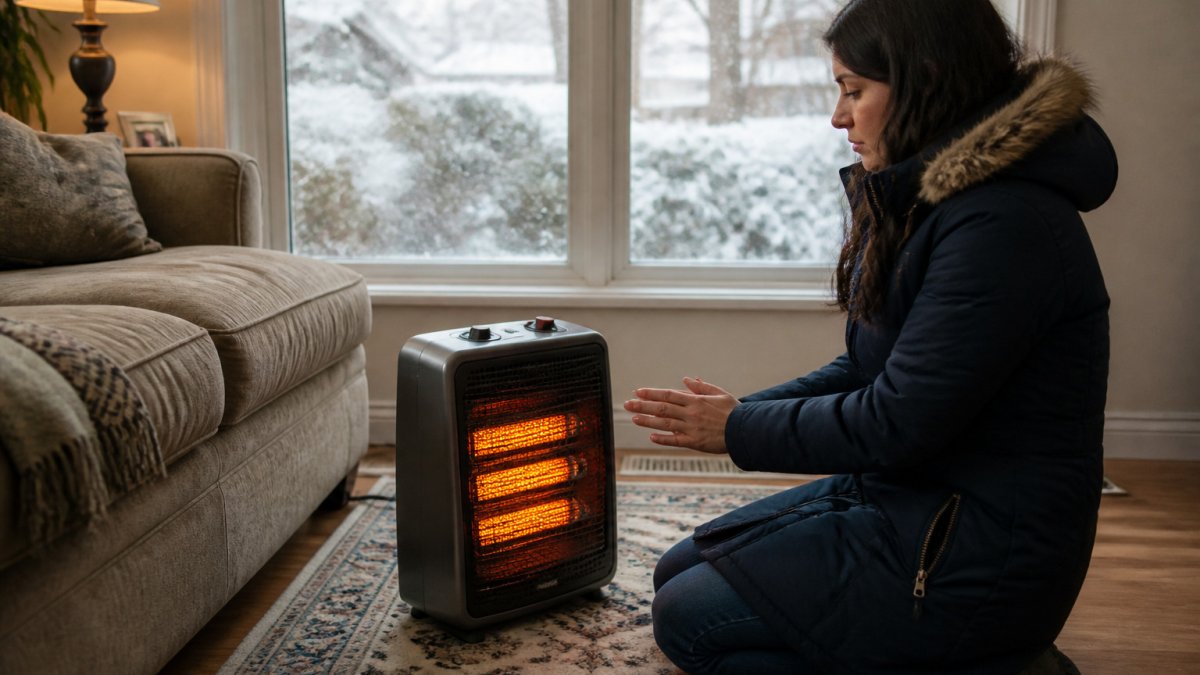
Start by closing off unused rooms and shutting the vents in them, since heating a smaller space is easier. Dress in layers, use blankets, and keep the thermostat set to a steady temperature rather than cranking it up. Close curtains at night and open them on sunny days to take advantage of solar heat.
If you use a portable electric space heater, plug it directly into a wall outlet, never an extension cord or power strip. Keep it at least three feet from bedding, furniture, and curtains, and turn it off when you leave the room or go to sleep. Never run a gas oven, a propane or kerosene heater, or a grill indoors to heat the home, because these produce carbon monoxide.
What to Check Before You Call for Emergency Furnace Repair
A few quick checks can sometimes solve the problem and will help the technician if you still need a visit.
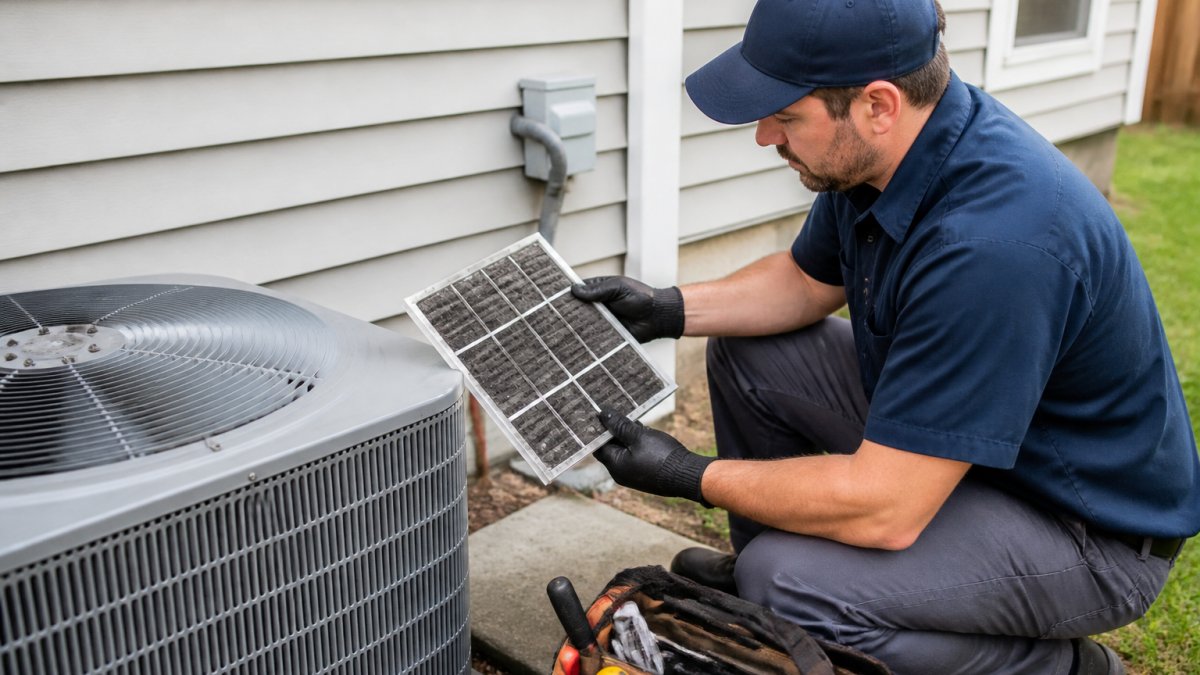
Confirm the thermostat is set to heat and the temperature is above the current room reading. Replace the air filter if it looks clogged. Make sure the furnace switch near the unit is on, and check the circuit breaker and any emergency shutoff switch. If the furnace has a reset button, you can press it once. Do not repeatedly reset a unit that trips again, because that can hide a serious fault.
Before you call, write down what the furnace is doing, when the problem started, whether there were any noises or smells, the model and age of the unit if you know them, and whether you have already tried anything.
How Fast Can a Technician Respond, and What Same-Day Repair Involves
- Safety check first. The technician confirms there is no gas odor, no CO alarm condition, and no electrical hazard before working on the unit.
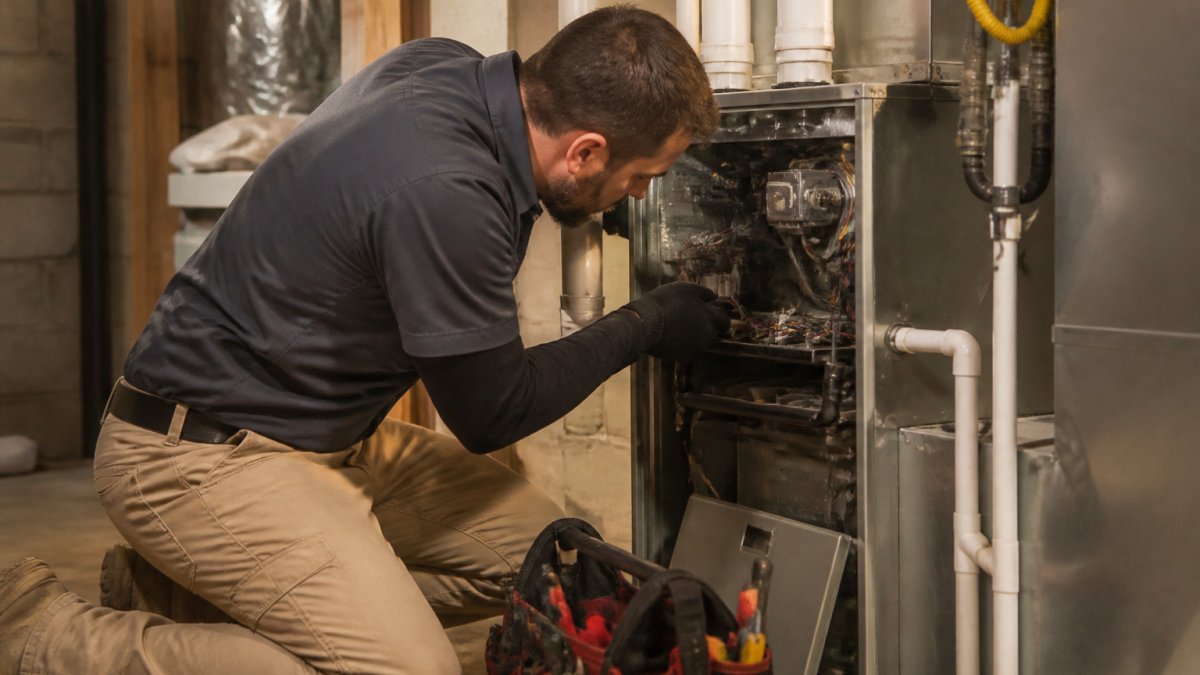
- Diagnostic. The ignition system, gas supply and pressure, airflow, flame sensor, and electrical controls are tested in order. Error codes from the control board are read if the unit stores them.
- Findings explained. The technician should tell you what failed, why it failed, and whether the repair can be completed on the spot.
- Written estimate. You receive the repair options and the cost before work begins.
- Repair and test. After the fix, the unit is run and tested, and the technician confirms heat is restored and the safety switches are working.
How to Verify a Provider Before You Commit
Speed matters, but so does who is standing in your basement. A few checks take minutes and protect you:
- Licensing and registration. Ask for the company's license or registration number and confirm it with your state or local licensing authority. Requirements vary by jurisdiction, so ask what applies where you live.
- Insurance. Ask for a certificate of insurance showing general liability and workers' compensation coverage. If a technician is injured or damages your home, this is what protects you.
- Written estimates and warranties. Ask for the estimate in writing and ask what the parts and labor warranty covers and for how long.
- Arrival windows and communication. A provider that gives a window and updates you if it slips is easier to work with than one that only says "sometime today."
- Payment and pressure. Be cautious of anyone who demands full payment before diagnosis, refuses to put the estimate in writing, or pushes a replacement before explaining the repair option.
What Furnace Repair Typically Costs and What Affects the Bill
For current pricing or a quote for your specific unit, contact Nick's Oasis LLC directly through the website.
The article does not give specific dollar figures, so the table below summarises the billing points it does state.
| Billing item | What it covers | Why it matters |
|---|---|---|
| Estimate | Written, before work starts | Confirms the price up front |
| Line items | Diagnostic, labor, parts, after-hours fee | Shows what each charge is for |
| Warranty | Parts and labor coverage | Defines how long repairs are protected |
Repair or Replace: How to Decide With an Honest Technician
The U.S. Department of Energy furnace efficiency guidance offers background on how efficiency ratings work.
Booking Your Emergency Furnace Repair With Nick's Oasis LLC
Nick's Oasis LLC provides heating, cooling, and ventilation repair, installation, and maintenance for residential and business clients, including furnaces, central air, heat pumps, and ductless mini-split systems. The company is committed to reliable, high-quality solutions that support comfort and system efficiency.
Before calling, have your furnace model number if you can find it, a description of the symptoms, and any safety concerns you have noticed.
For current pricing or to request an estimate, contact Nick's Oasis LLC through the website and ask for a free estimate. Nick's Oasis LLC has a 5.0 rating based on 12 reviews.
Frequently Asked Questions
Is a furnace not working an emergency?
It can be. A furnace that stops producing heat during cold weather can be urgent. If you have a safety concern, contact the appropriate emergency service. If the furnace simply won't ignite and no safety hazard is present, consider contacting an HVAC professional.
What is the average cost to repair a furnace?
Pricing depends on the specific system and diagnosis. Contact Nick's Oasis LLC through its website for a current quote.
How can you safely heat a house when the furnace is broken?
Use a portable space heater that has an automatic shutoff and a tip-over switch, plug it directly into a wall outlet rather than an extension cord, and keep it at least three feet from curtains, bedding, and furniture. Never use a gas oven, range, or outdoor grill to heat a home, and never run a generator indoors or in an attached garage. Close off unused rooms, seal drafts, and keep blankets handy. Install battery-powered or battery-backup carbon monoxide alarms on every level if you do not already have them.
What should I check before calling for emergency furnace repair?
Check the thermostat settings and batteries first, then confirm the furnace power switch and circuit breaker are on. Note the time the problem started and any noises, odors, or flickering pilot light you observed.
Emergency furnace trouble is stressful, but a calm, informed approach makes it manageable. Recognize the warning signs, act fast on any gas or carbon monoxide concern, and call a qualified technician when the furnace will not restart. Nick's Oasis LLC is ready to help you restore reliable heat and get your home back to comfortable temperatures.