 How-to
HVAC Repair Service Near Me: A Complete Guide
Table of Contents
- Understanding HVAC Repair Service and When You Need It
- Signs Your System Needs Professional HVAC Repair
- Emergency HVAC Repair: What to Do When Your System Fails
- How to Choose an HVAC Contractor You Can Trust
- HVAC Repair Cost: What to Expect and How to Get Fair Pricing
- HVAC Maintenance Service: Preventing Costly Repairs
- Repair or Replace? Making the Right Decision for Your System
- Frequently Asked Questions
Last Updated: October 10, 2026
Understanding HVAC Repair Service and When You Need It
An HVAC repair service addresses heating, cooling, and ventilation problems in your home. Professional technicians diagnose issues and restore comfort when your system stops working or runs inefficiently.
Your HVAC system works year-round. When any component fails, compressor, thermostat, blower motor, or refrigerant lines, your entire comfort depends on quick, reliable repair.
Understanding when to call for HVAC repair service prevents emergency situations and protects your investment.
Signs Your System Needs Professional HVAC Repair
Your heating and cooling system sends clear signals when repair is needed. Learning to diagnose common symptoms helps you describe the problem accurately and decide whether the issue is urgent.
Unusual Noises and What They Indicate
A grinding or squealing noise signals bearing wear in the blower motor or compressor. A hissing sound indicates a refrigerant leak requiring service within a few days. A banging or clanging sound suggests a loose component or internal damage, turn off the system immediately. A rattling noise often points to loose bolts or debris in the fan. A high-pitched whistling from vents indicates air escaping through ductwork gaps or a cracked heat exchanger.
Temperature and Airflow Problems
Weak airflow often stems from a clogged filter. If the filter is clean, check whether vents are open and unblocked. If only certain rooms lack airflow, the problem is likely ductwork or a failing zone damper. Temperature inconsistency suggests uneven ductwork distribution, a malfunctioning thermostat, or a refrigerant leak. Test your thermostat by setting it 5 degrees below room temperature; if the system doesn't respond within minutes, it may need replacement. If the system runs constantly without reaching the set temperature, refrigerant is likely low or the compressor is failing.
Energy Bills and Efficiency Decline
Rising energy bills warrant investigation. A 20% or higher increase compared to the same month last year suggests declining efficiency from refrigerant leaks, a clogged filter, or worn compressor bearings. If your system runs constantly during moderate weather, efficiency has declined. Request a professional energy audit or refrigerant charge check to confirm the cause.
Visible Signs and Odors
Water pooling near the indoor unit indicates a clogged condensate drain line. A burning smell at startup usually clears and is not urgent. A persistent chemical or refrigerant smell indicates a leak requiring prompt service. A musty odor suggests mold in ductwork or the evaporator coil, requiring professional cleaning.
When to Call Immediately Versus When to Schedule Routine Service
Call for emergency service if the system stops working during extreme weather, you smell refrigerant or burning, you hear loud banging or grinding, or water is actively leaking. Schedule routine service within a few days for weak airflow, rising energy bills, or temperature inconsistency. Schedule annual maintenance before heating and cooling seasons.
Emergency HVAC Repair: What to Do When Your System Fails
System failure during extreme weather creates an emergency. Losing heat below freezing or cooling above 95 degrees poses real risk.
First, check your thermostat settings, ensure the breaker hasn't tripped, and look for blocked vents or a clogged filter. Sometimes a simple reset resolves the problem.
If basic checks don't restore function, call for emergency HVAC repair service immediately. Many providers offer same-day or emergency response options for urgent situations.
While waiting for the technician, close off unused rooms to conserve warmth in winter or close blinds and curtains to block heat in summer. Run fans to circulate air.
Have your system's model number, age, and maintenance history ready. Describe what happened: Did it stop suddenly? Is it running but not heating or cooling? Are there unusual sounds or smells?
How to Choose an HVAC Contractor You Can Trust
Selecting the right contractor determines whether you receive honest diagnosis or unnecessary recommendations. A structured vetting process protects you from overcharging and poor workmanship.
Verify Licensing, Insurance, and Certifications
Ask for proof of licensing, general liability insurance, and workers' compensation insurance. Verify licensing with your state's licensing board. Liability insurance protects you if the technician damages your home; workers' compensation protects you if the technician is injured on your property. Ask whether technicians hold EPA Section 608 certification, required by federal law to handle refrigerants (the EPA). Contractors should display these credentials willingly; hesitation is a red flag.
Evaluate Reviews and References with Specificity
Read customer reviews on Google Reviews, Trustpilot, or the Better Business Bureau. Look for specific details and patterns. If multiple reviews mention high-pressure sales tactics or surprise charges, avoid that contractor. Check how the contractor responds to negative reviews; professional contractors address complaints respectfully. Ask for references from recent customers and call at least two. Ask: Did the technician diagnose accurately? Did the final bill match the estimate?
Request and Compare Written Estimates
Request a written estimate including: the diagnosed problem, proposed solution, parts list with costs, labor costs, service call fee, total cost, and timeline. Obtain estimates from at least three contractors. If one is significantly lower or higher, ask why. Red flags include pressure to decide immediately, refusal to provide written estimates, or prices that vary wildly without explanation.
Understand Warranty Coverage and Guarantees
Reputable contractors guarantee their work. Ask about two types of warranties: (1) parts warranty, which covers defects in components the contractor installs, and (2) labor warranty, which covers the quality of the contractor's work. A typical parts warranty lasts 1-5 years depending on the part; a labor warranty often lasts 1-2 years. Understand what's covered.
Verify Service Area and Response Time Capability
Confirm the contractor serves your area and can respond within your timeline. Local contractors typically respond faster to emergency calls because they don't travel far. Ask about their average response time for emergency calls and their service area boundaries. A contractor who serves a 50-mile radius may be slower than one serving a 10-mile radius. Ask whether they offer same-day service or emergency appointments.
Conduct a Pre-Approval Second Opinion
Before approving any major repair costing over $1,000, request a second opinion from another contractor. A trustworthy contractor welcomes this because they're confident in their diagnosis. A contractor who resists or discourages a second opinion may be recommending unnecessary work. A second opinion costs a diagnostic fee (typically $75-$150) but protects you from expensive mistakes.
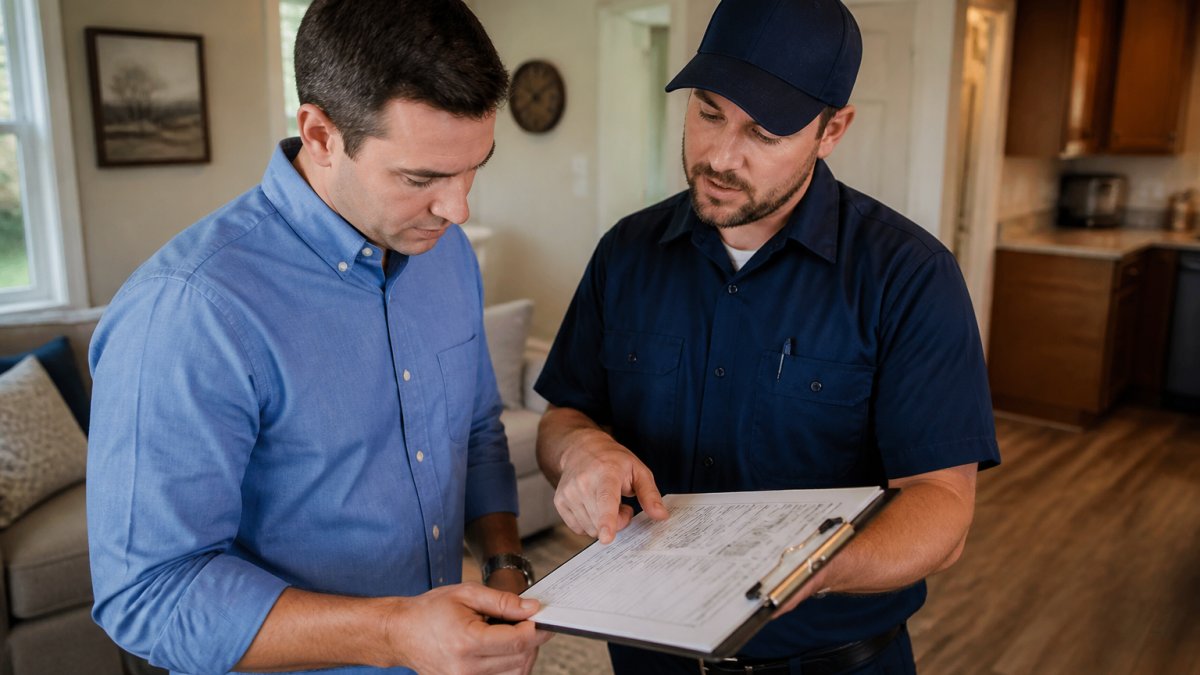
HVAC Repair Cost: What to Expect and How to Get Fair Pricing
Understanding repair costs prevents sticker shock and helps you make informed decisions about repair versus replacement.
Several factors influence HVAC repair cost. Labor rates vary by region and contractor experience. Parts availability affects pricing, common components cost less than specialized parts. The system's age and complexity matter. Older systems may need harder-to-find parts. Emergency service calls typically cost more than scheduled appointments.
A simple repair like replacing a thermostat or filter costs significantly less than compressor replacement. Refrigerant recharging falls in the middle range. Blower motor or capacitor replacement varies depending on accessibility and part cost.
Ask contractors to break down costs clearly. Separate labor from parts. Understand what's included in the service call fee. Some contractors waive this fee if you proceed with repairs. Others charge a diagnostic fee regardless. This transparency helps you compare fairly across providers.
Get multiple estimates. Three quotes from different contractors reveal the market range. If estimates vary widely, ask each contractor to explain their pricing. Sometimes higher costs reflect better warranties or faster response times. Sometimes lower costs mean cutting corners.
| Cost Factor | Impact | Typical Range |
|---|---|---|
| Service call fee | Initial diagnostic cost | $75-$150 |
| Labor rate | Hourly technician cost | $85-$150/hour |
| Common parts | Thermostat, capacitor, filter | $50-$300 |
| Major components | Compressor, motor, coil | $500-$2,000+ |
| Emergency service | After-hours or weekend | Add 25-50% |
Ask about payment options. Some contractors offer financing for major repairs. This spreads costs over time if replacement is necessary. Others accept multiple payment methods. Understanding your options prevents financial stress during emergencies.
HVAC Maintenance Service: Preventing Costly Repairs
Regular maintenance catches small problems before they become expensive failures. A preventive approach saves money and extends system life.
Annual tune-ups keep systems running efficiently. A technician cleans components, checks refrigerant levels, inspects electrical connections, and tests thermostat accuracy. This maintenance service identifies wear patterns early. Addressing minor issues prevents major breakdowns.
Seasonal maintenance matters too. Before winter, have your heating system inspected. Before summer, prepare your cooling system. These checkups ensure everything functions when you need it most.
Filter replacement is the simplest maintenance task homeowners can do. A clogged filter restricts airflow and reduces efficiency. Replace filters every 1-3 months depending on usage and pet presence. This single step improves performance and prevents strain on components.
Professional HVAC maintenance service catches what homeowners miss. Technicians spot refrigerant leaks, worn belts, corroded connections, and electrical problems. Early detection prevents emergency calls during peak seasons when response times slow.
Repair or Replace? Making the Right Decision for Your System
When your system needs major repair, deciding whether to fix it or replace it requires honest analysis.
Age is the primary factor. Systems typically last 15-20 years. If your system is over 15 years old and needs a significant repair, replacement often makes financial sense. Newer systems run more efficiently, reducing energy bills. Older systems consume more power and break down more frequently.
Repair costs matter. If repair costs exceed 50% of replacement cost, replacement becomes attractive. A $3,000 compressor replacement on a $6,000 system replacement makes replacement logical. You get a warranty, improved efficiency, and peace of mind.
Efficiency improvements justify replacement. Modern HVAC systems are 15-30% more efficient than 10-year-old models. Over the system's remaining life, energy savings offset replacement costs. If your current system runs constantly without reaching desired temperatures, efficiency has declined significantly.
Frequency of repairs signals decline. One major repair might be isolated. Three repairs in two years indicates systemic wear. Replacing prevents cascading failures and ongoing repair costs.
Consider your plans. If you're selling your home soon, a new system increases value and appeal. If you plan to stay long-term, replacement investments pay dividends through years of reliable operation.
A professional can help homeowners evaluate this decision honestly, explaining repair options and replacement benefits without pressure. Sometimes repair makes sense. Sometimes replacement prevents future problems and frustration.
Frequently Asked Questions
How do I know if my HVAC system needs professional repair?
Your system needs professional repair if you notice weak airflow, unusual noises (grinding, squealing, rattling), warm air from AC vents during summer, cold air from heating during winter, frequent on-off cycling, or higher-than-normal energy bills. If your thermostat settings don't match what your system is delivering, or if you smell burning or musty odors, call an HVAC technician immediately for a diagnostic inspection.
What should I ask an HVAC repair company before hiring?
Ask about their licensing and insurance, whether they provide written estimates upfront, their emergency service availability and response times, warranty coverage on parts and labor, and if they offer free second opinions on major repairs. Request references from recent customers and clarify whether they'll discuss repair-versus-replacement options honestly. Confirm they'll explain the diagnosis and proposed work in detail before proceeding.
How much does HVAC repair typically cost?
HVAC repair costs depend on the system type, the specific problem, parts needed, and your location. A service call with diagnostic inspection typically includes a base fee to cover the technician's time. Repair costs vary widely, from minor fixes to major component replacement. For accurate pricing, request a written estimate from a local contractor.
What is the difference between repair and replacement for older HVAC systems?
If your system is over 10-15 years old and requires expensive repairs, replacement with a modern, energy-efficient unit (heat pump, ductless mini-split, or central air) may save money long-term through lower energy bills. A professional contractor can evaluate repair costs against replacement costs and expected lifespan to help you decide. Systems that fail repeatedly or have refrigerant leaks are often better replaced than repaired.
Choosing the right path forward when your HVAC system fails depends on accurate diagnosis and honest guidance. A reliable HVAC repair service listens to your concerns, explains options clearly, and respects your budget. Nick's Oasis LLC specializes in helping homeowners navigate these decisions with transparent communication, expert assessment, and solutions tailored to your comfort needs. Get your free estimate today and understand exactly what your system requires.