 How-to
What to Expect During an HVAC Inspection
Last Updated: November 14, 2026
Quick Summary
An HVAC inspection is a top-to-bottom check of your heating and cooling system. A technician tests the thermostat, checks filters and airflow, examines electrical parts, confirms refrigerant levels, and writes up findings in a clear report. The goal is to catch small problems before they become expensive ones.
- Clear at least three feet of space around both indoor and outdoor units before the technician arrives.
- The technician compares return and supply vent temperatures to check for a steady gap.
- A clogged drain line is one of the most common causes of water stains around the air handler.
- An inspection is a check, not a repair, and does not include parts or labor for fixes.
- Many homeowners schedule one inspection a year, often before heating or cooling season.
Table of Contents
- What Happens During a Professional HVAC Inspection
- Your HVAC Inspection Checklist: What Technicians Check
- How Long Does an HVAC Inspection Take?
- Reading Your HVAC Inspection Report
- HVAC Inspection After Installation: The First-Year Check
- What an Inspection Does Not Include, and When to Schedule One
- Book Your HVAC Inspection with Nick's Oasis LLC
- Frequently Asked Questions
What Happens During a Professional HVAC Inspection
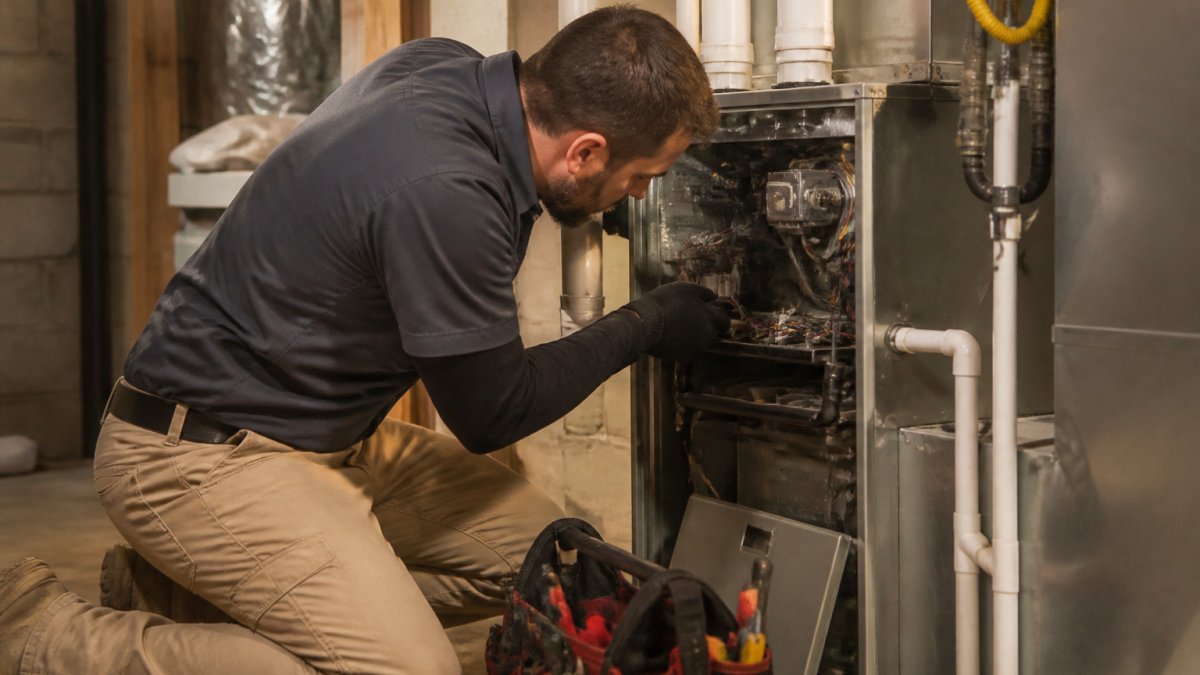
An HVAC inspection is a top-to-bottom check of your heating and cooling system, and knowing what to expect during an HVAC inspection takes the guesswork out of the visit. Knowing the steps helps homeowners avoid surprises during the visit. A technician tests the thermostat, checks filters and airflow, examines electrical parts, and confirms the system runs safely. The goal is simple: catch small problems before they become expensive ones.
Here is the short version of the visit:
- The technician asks about comfort issues and recent changes
- They test the thermostat and record temperature readings
- They check the air filter, vents, and ductwork
- They inspect electrical connections and moving parts
- They confirm refrigerant levels and look for leaks
- They write up findings in a clear report
Most visits follow that order. Some systems need extra steps, like a drain line flush or a heat pump defrost test.
How to Prepare Your Home Before the Technician Arrives
A little prep makes the visit faster and safer. Clear a path to the indoor unit and the outdoor unit. Move boxes, bikes, and garden tools out of the way. If the outdoor unit sits under a deck or behind a fence, unlock the gate.
Also do these things before the tech rings the doorbell:
- Clear at least three feet of space around both units
- Note any rooms that feel too warm or too cold
- Write down strange sounds or smells you have noticed
- Secure pets in a separate room
- Have your filter size handy if you track it
One common mistake is skipping this step. A blocked unit adds time to the visit and can hide problems the technician needs to see.
Here is the short version of what the technician does during the visit.
| Step | What the technician does |
|---|---|
| Ask questions | Asks about comfort issues and recent changes |
| Test thermostat | Tests thermostat and records temperature readings |
| Check filter and ducts | Checks air filter, vents, and ductwork |
| Inspect electrical parts | Inspects electrical connections and moving parts |
| Check refrigerant | Confirms refrigerant levels and looks for leaks |
| Write report | Writes up findings in a clear report |
Your HVAC Inspection Checklist: What Technicians Check
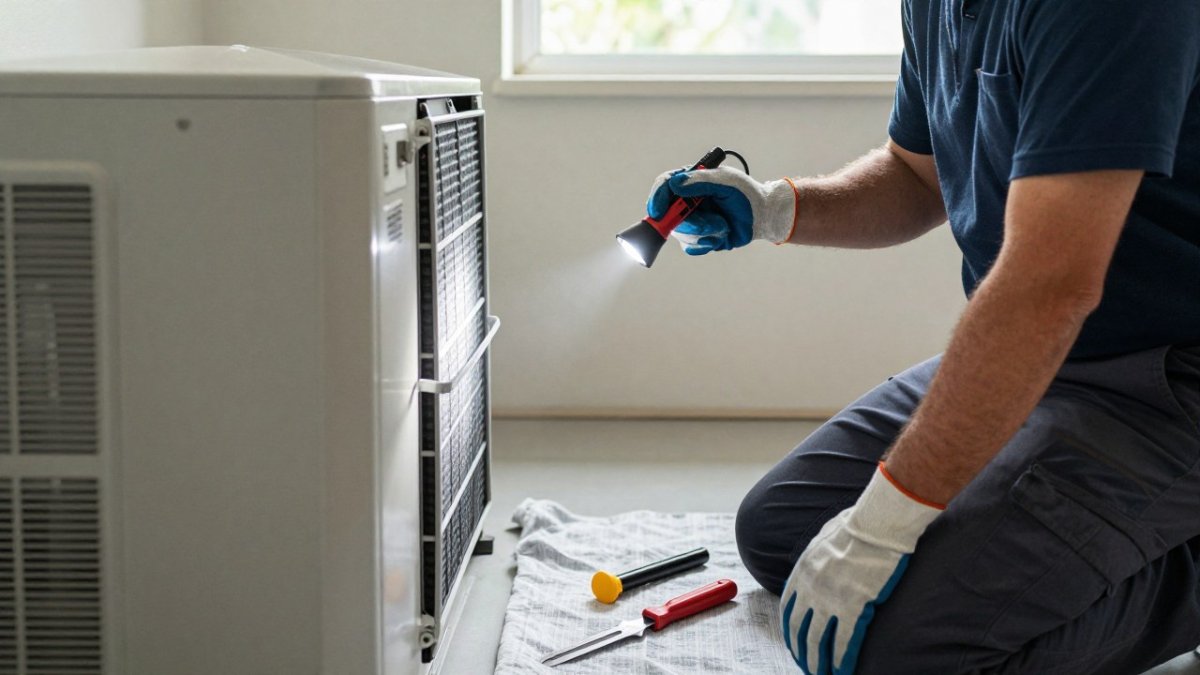
A good HVAC inspection checklist covers six main areas: thermostat, filter, airflow, electrical parts, refrigerant, and drains. Each one gets checked, tested, and recorded. The technician is not just looking for breakdowns. They evaluate equipment condition and system performance so you know how much life the unit has left.
Thermostat Tests and Temperature Readings
The thermostat test is where most visits start. The technician sets the system to heat, then cool, and watches how fast the temperature moves. They compare the temperature reading at the return vent with the reading at a supply vent. A healthy system shows a steady gap between the two. A small gap points to low refrigerant or a failing compressor.
Loose wiring at the thermostat is a frequent find. So is a thermostat placed in direct sun, which throws off every reading after it. A thorough thermostat check can also include reviewing the thermostat's calibration and fan settings.
Filters, Airflow and Ductwork
Airflow problems hide in plain sight. A clogged filter can restrict airflow throughout the system, so filter condition is a common early check (HVAC Proper Installation of Filters). Supply vents, air returns, and ductwork can also be examined for weak flow, obstructions, and leaks.
A common pattern is a filter that is the wrong size or a slot that lets air bypass the media. The technician notes the correct size and may measure static pressure at the return and supply to see whether the blower is working against a restriction. High static pressure often traces to undersized returns, crushed flex duct, or a dirty evaporator coil rather than the filter alone.
Electrical Connections and Components
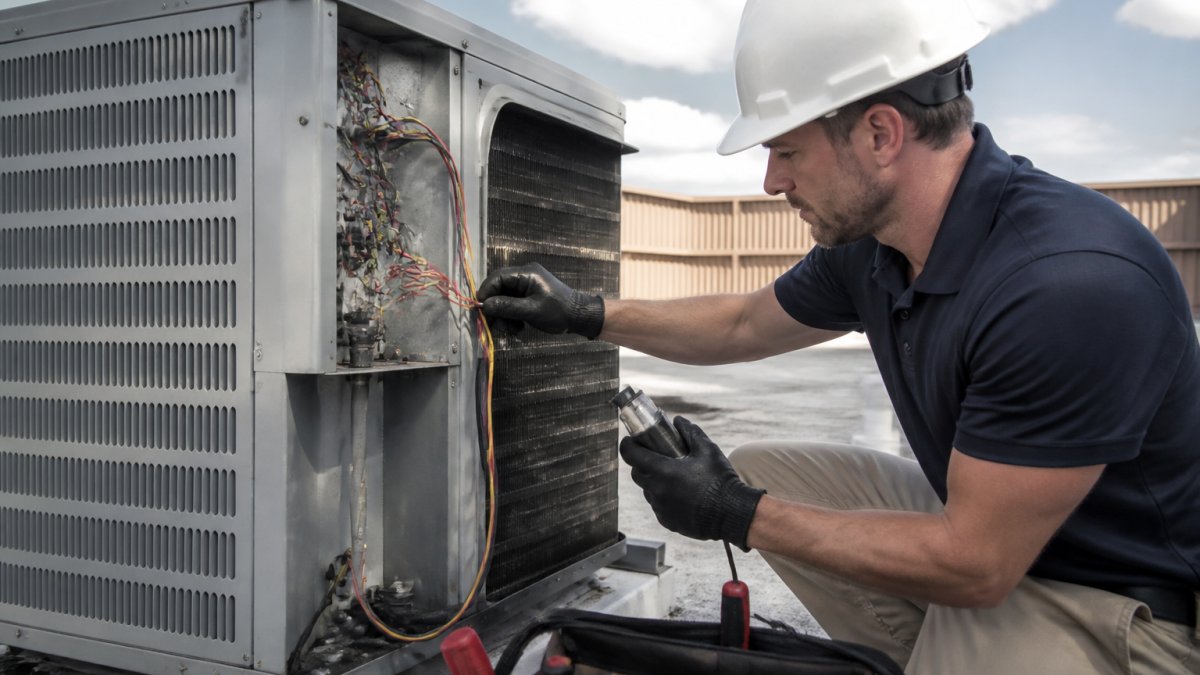
Electrical checks go beyond a visual glance. Electrical components such as the disconnect box, contactor, capacitors, and wiring terminals can be checked for pitting, heat discoloration, and loose connections. A contactor that is pitted or a capacitor that has drifted out of tolerance can cause hard starts and short cycling long before a full failure.
Watch out: a tripped breaker that keeps resetting is a sign of a deeper electrical fault, not a nuisance, and the technician should trace it rather than simply reset it.
Refrigerant Levels and Leak Checks
Refrigerant levels can be evaluated by measuring superheat and subcooling, and oil residue around line sets and connections can indicate a slow leak. If readings suggest a charge problem, they note it and explain that refrigerant is not consumed like fuel, so a low charge means a leak that needs to be found before any recharge.
Condensate Drain and Pan
A backed-up drain line can cause water damage, so the drain line and pan are commonly checked during an inspection. In cooling season, a clogged drain is one of the most common causes of water stains around the air handler.
Lubrication, Cleaning and Safety Checks
Moving parts get lubrication where the manufacturer specifies sealed or serviceable bearings. Outdoor units, fan blades, and furnace venting may be checked as part of an inspection, and a record of findings can serve as a baseline for future visits.
How Long Does an HVAC Inspection Take?
Inspection length varies with the size of the home and the number of systems involved. An inspection after a new installation often runs longer because the technician checks the install itself.
Time also depends on condition. A well-kept system moves fast. A unit with clogged coils, a tripped breaker, or a refrigerant leak takes longer to evaluate.
Reading Your HVAC Inspection Report
An HVAC inspection report should tell you three things: what was checked, what was found, and what to do next. A good report lists each component, its condition, and any repair recommendation with a priority level. Read it the same day, while the visit is fresh.
Look for these items:
- Temperature differential: the gap between return and supply air
- Filter condition: clean, dirty, or replaced
- Electrical findings: loose connections, worn contacts, faulty components
- Refrigerant status: levels checked and any leak noted
- Drain and pan condition: clear or clogged
- Recommended repairs: urgent, soon, or monitor
If a report says "monitor," ask what sign would move it to "repair." That one question prevents surprise calls later.
HVAC Inspection After Installation: The First-Year Check
A first-year check can be useful, since small installation issues often appear during the first heating and cooling season.
What an Inspection Does Not Include, and When to Schedule One
An inspection is a check, not a repair. It does not include parts, labor for fixes, or a deep coil cleaning unless you approve that work first. Ask upfront what the visit covers and what counts as a follow-up charge. That is the honest way to avoid a surprise bill.
It also is not the same as a diagnostic. An inspection is a broad condition review. A diagnostic is a focused troubleshooting visit triggered by a specific symptom, and it usually carries its own fee that may or may not be credited toward the repair. Knowing which one you are buying prevents the awkward moment when a technician finds a failed capacitor during an inspection and you expected the fix to be included.
Pricing depends on the system and the work involved. Ask Nick's Oasis LLC for current pricing or a quote, and confirm upfront how any inspection fee applies to repairs.
Many homeowners schedule one inspection a year, often before heating or cooling season. Older systems or systems with repair history may benefit from more frequent checks, and heat pumps are often checked in spring and fall.
Ask for the readings behind each recommendation and whether the item is safety, performance, or maintenance.
When reading the report, sort findings into three buckets: safety items that should be addressed now, performance items that affect efficiency or comfort, and monitor items that need a baseline. If a report says "monitor," ask what sign would move it to "repair." That one question prevents surprise calls later. For a system showing weak airflow, odd smells, rising energy bills, or short cycling, skip the routine inspection and book a diagnostic instead. If you spot those signs, read about signs your AC needs repair before the system fails so you know whether to call.
Book Your HVAC Inspection with Nick's Oasis LLC
A clear inspection turns a vague worry into a plan. You get a written record of equipment condition, a list of any repairs, and a straight answer on what to fix now versus later. That is the difference between guessing and knowing.
Nick's Oasis LLC handles installation, repair, and maintenance for central air, ductless mini-splits, heat pumps, and furnaces. Our customers have rated us 5.0 across 12 reviews. Get started with Nick's Oasis LLC and schedule an inspection that gives you a clear picture of your system.
Frequently Asked Questions
What do technicians look at during an HVAC inspection?
A standard HVAC inspection covers the thermostat, air filter, blower and moving parts, electrical connections and wiring, refrigerant levels and possible leaks, condensate drain and drain line, airflow through supply vents and air returns, and the overall condition of the furnace and air conditioner. The technician tests temperature differential between return and supply air, checks for loose connections and faulty components, and notes debris or obstructions in the ductwork. You receive a written summary of findings so you know what passed, what needs watching and what needs repair.
How often should an HVAC system be inspected?
Most manufacturers and technicians recommend one inspection per year for each side of the system: cooling in spring and heating in fall. Homes with pets, heavy dust or a system over 10 years old often benefit from a mid-season check as well. Property managers with multiple buildings usually schedule inspections on a fixed calendar so equipment condition is documented before peak heating and cooling season. Skipping a year rarely causes immediate failure, but small issues like a clogged condensate drain or a loose electrical connection tend to surface at the worst possible time.
Should I get an HVAC inspection when buying a house?
Yes. A pre-purchase HVAC inspection evaluates equipment condition, age and remaining life, which a general home inspection only summarizes. The technician runs the heating and cooling system, checks refrigerant levels, tests the thermostat and looks for leaks or damage that could become a repair bill after closing. Ask for the inspection report in writing so you can negotiate repairs or budget for replacement. It is also worth requesting service records, since a system with documented annual maintenance usually holds up better than one with no history.
What is the difference between an HVAC inspection and routine maintenance?
An inspection evaluates and assesses: the technician tests the system, records temperature readings, checks electrical components and refrigerant, and reports on equipment condition. Routine maintenance goes further by cleaning coils, replacing filters, lubricating moving parts and correcting small problems on the spot. Many providers combine both in a single visit. If you are preparing to sell a home or documenting a commercial building, ask for the inspection report specifically; if you want the system tuned for the season ahead, schedule maintenance.